
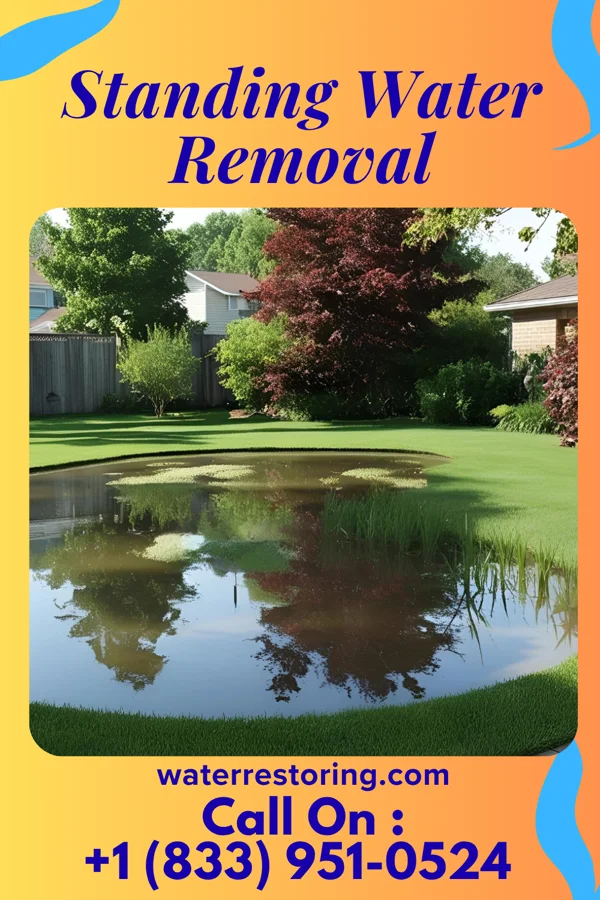
Lexington Standing Water Drivers
Water damage in Lexington tends to cluster in predictable windows because of the local climate. In Lexington, Minnesota, water damage often stems from sudden plumbing failures, such as burst pipes or leaking water heaters, which can quickly flood homes and businesses. Due to the area's cold climate, frozen pipes are a common issue during harsh winter months, leading to unexpected water damage. A close second is Secondary causes include roof leaks from heavy snowmelt, groundwater seepage around foundation cracks, and improper drainage near properties. These issues are more prevalent in rural areas like Lexington, where older infrastructure may not handle extreme weather effectively..
Lexington's cold winters and occasional heavy spring rains increase the risk of frozen pipes and water intrusion. The region's rural setting also means that natural water sources, like nearby lakes and streams, can contribute to flooding during intense storms.
Lexington's cold winters and occasional heavy spring rains increase the risk of frozen pipes and water intrusion. The region's rural setting also means that natural water sources, like nearby lakes and streams, can contribute to flooding during intense storms. The dominant local driver is In Lexington, Minnesota, water damage often stems from sudden plumbing failures, such as burst pipes or leaking water heaters, which can quickly flood homes and businesses. Due to the area's cold climate, frozen pipes are a common issue during harsh winter months, leading to unexpected water damage., with Secondary causes include roof leaks from heavy snowmelt, groundwater seepage around foundation cracks, and improper drainage near properties. These issues are more prevalent in rural areas like Lexington, where older infrastructure may not handle extreme weather effectively. showing up as the next most common cause. Damage builds in stages. Spread. Absorption. Microbial growth. Structural compromise. Every stage you pass through adds to the final bill.